For many women, turning 50 marks a new chapter.
Careers may shift, children may leave home and priorities begin to change. Its also a time when women begin to look more intentionally at their health & wellbeing.
One area that becomes increasingly important is healthy aging and maintaining physical strength.
Strength is not just about lifting heavy weights & building large muscles. For women over 50, strength means supporting bone health, preserving mobility in order to maintain independence for the future.
One surprisingly effective way to support strength at this stage of life is yoga.
What Happens to the Body After 50?
After menopause the body naturally begins to lose muscle in a process known as sarcopenia. This gradual loss can begin as early as the 30s and accelerates after menopause due to hormonal changes.
At the same time, bone density decreases, increasing the risk of osteoporosis and fractures.
The loss of muscle & bone density can lead to:
Reduced strength / Slower metabolism / Joint stiffness / Reduced balance and mobility
However, strength & bone density can be maintained and even improved through regular movement and resistance-based exercise.
How Yoga Builds Muscle & bones
While yoga is best known for increasing flexibility & relaxation, many aspects of yoga are actually highly effective strength-building practices.
Many yoga poses often require the body to support its own weight in different positions. Holding some of the poses for 30 seconds activates multiple muscle groups at once building functional strength throughout the body.
For example:
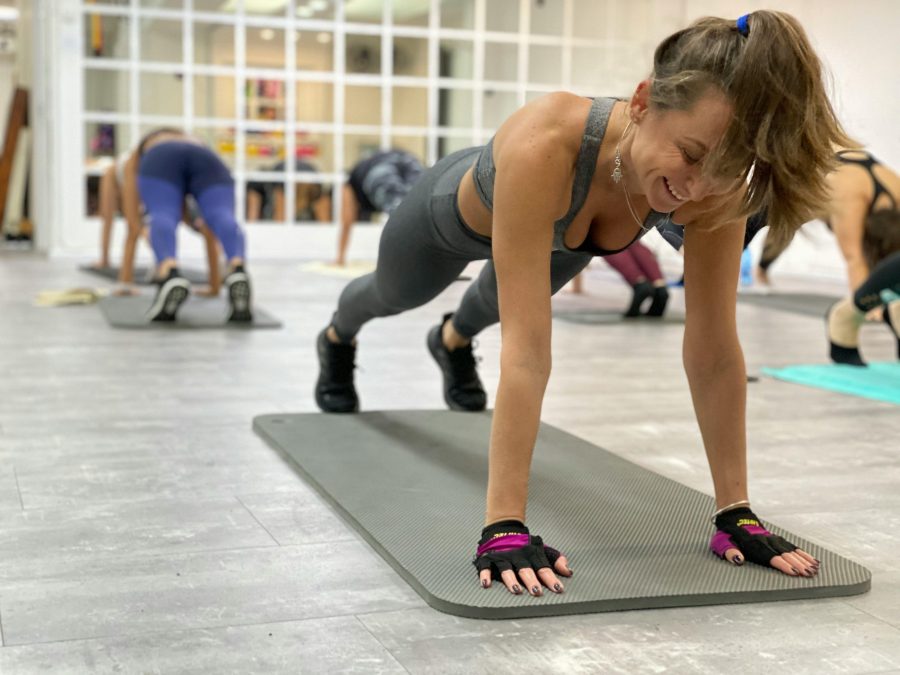
- Plank pose strengthens the core, arms, shoulders, and back
- Warrior poses build strength in the legs, hips and glutes
- Chair pose activates the quadriceps and stabilizing muscles
- Downward-facing dog strengthens the arms, shoulders & spine
Because yoga engages both large muscle groups and stabilizing muscles, it helps develop balanced strength, which is especially important for joint stability and injury prevention.
Yoga and Bone Health
Bone strength becomes increasingly important after menopause. Weight-bearing activities encourage bones to maintain and even increase density.
Yoga supports bone health in several ways:
- Many poses require weight-bearing through the arms and legs
- Muscles pulling against bones stimulate bone remodeling
- Balance-focused poses help reduce fall risk
Studies have shown that a regular yoga practice can help maintain bone density in the spine, hips, and wrists – areas commonly affected by osteoporosis.
Balance, Stability and Fall Prevention
Falls are one of the leading causes of injury in older adults. Yoga directly addresses several factors that contribute to fall prevention, including:
Balance / Core stability / Coordination / Body awareness
Standing poses like Tree Pose and Warrior III strengthen stabilizing muscles while training the body to remain steady and controlled.
Over time, this improved balance can make a significant difference in everyday movement.
Strength for the Mind as Well
The benefits of yoga extend beyond physical strength. Regular practice has been shown to support mental and emotional well-being by:
*Reducing stress and anxiety
*Improving focus and mental clarity
*Supporting better sleep
*Enhancing overall mood
For many women after 50, yoga becomes more than exercise – it becomes a practice of connection with the body, encouraging confidence, resilience, and self-care.
It’s Never Too Late to Start
Yoga offers a unique combination of strength, mobility, balance, and mindfulness, making it an ideal practice for women after 50.
Because true strength isn’t just about muscles – it’s about supporting a healthy, vibrant life at every age.